





Tate’s Wealth and Australian Curiosity
Andrew Tate is a divisive figure whose name is always trending on Australian TV, TikTok and schoolyard chat. But behind the controversy is a question many Aussies ask: how did he actually make his money?
Why Aussies Are Interested in Tate’s Fortune?
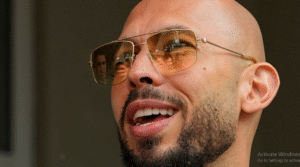
Image – Source
In a country where home ownership, wage growth and investment are always on the agenda, Tate’s flashy displays of wealth—luxury cars, mansions, private jets—get attention.
His branding taps into aspirational culture: the “from nothing to something” narrative that’s so appealing to young Australians struggling with rising costs and insecure work.
The social media influencer economy in Australia proves this: in 2025, influencer ad spend in Australia hit $520 million, up 13% year on year. Influencer marketing now accounts for 3.6% of total digital ad spend locally.
By 2025, analysts predict Australian influencer advertising could reach US$589.1 million (≈ $943.8 million).
So content creators and online personalities are now big business in Australia—and Tate is one of the most extreme examples of how influence and money intersect.
Tate’s Reputation in Australia and Globally
Globally, Tate is a controversial “manfluencer”—someone who uses hypermasculine messaging and bold claims to build a following. He has over 10.7 million followers on X (Twitter) as of mid-2025.
He’s been investigated by authorities in Romania, the UK and the US and has been banned from several social platforms for violating harassment policies.
In Australia, his influence is more subtle—but potent. A 2025 report from Movember found 68% of young Australian men engage with “masculinity influencers”, many of whom promote ideas similar to Tate’s.
Studies also show his ideology is seeping into Australian school culture. One research project found Tate-style discourse around gender was appearing in classrooms and contributing to sexist attitudes.
In short: whether you see him as a marketer, provocateur or fraudster, he’s a case study in how polarising content can equal power—and money.
How Did Andrew Tate Make His Money? Breaking It Down for Aussies
So, when you peel back the flashy videos and bold claims, where does Tate’s money come from? Kickboxing, content subscription platforms, digital courses, crypto trades, real estate — it’s a mess.
Over the course of this article we’ll go through each major income stream—putting them in an Australian context, comparing to local benchmarks and examining where the risks and opportunities really are. This isn’t just Tate’s story—it’s a look at how influence, income and reputation intersect in 2025 Australia.
Kickboxing Career – The First Income Stream
From the ring to online fame, Andrew Tate’s journey started with fighting. As we go through how did Andrew Tate make his money, his kickboxing career is the foundation — though often exaggerated in public conversation.
Tate started full contact kickboxing around 2005 and trained with odd jobs to fund his early fights. He gained momentum by beating top UK fighters like Ollie Green and Mo Kargbo which got him into national and European rankings.
By 2009 he won the ISKA English Full Contact Cruiserweight Championship and later the IKF British Cruiserweight Title and was established in the UK circuits
Titles, Winnings, and Recognition
Over his kickboxing career, Tate has a record of 76 wins, 9 losses, 1 draw with around 23 knockouts in various weight classes and sanctioning bodies.
He held multiple world titles across divisions — ISKA World Full-Contact Light Cruiserweight and Enfusion Live 90 kg.
But in combat sports, accolades don’t always equal big paydays outside of premium promotions.
How Much Athletes in Similar Sports Earn vs. Mainstream Sports in Australia
To scale this into an Australian lens: for local fight circuits (e.g. Australian pro boxing, MMA), a fighter might earn between $5,000 to $50,000 per main event, depending on background, promotion and media draw. Elite AFL or NRL players get six-figure salaries ( $300,000 to over $1 million) plus sponsorships.
So even a decorated fighter like Tate would only see modest ring earnings compared to his later income streams.
So while his kickboxing career built credibility, media access and a persona, it was never the primary source of the wealth he now flaunts.
Television and Early Fame
Beating people in the ring helps your reputation in niche circles. But mainstream media exposure brings entirely different monetisation potential. Let’s see how Tate converted TV appearances into boosts for his income.
Appearance on Big Brother UK and Other Media
In 2016, Tate entered Big Brother UK. He was evicted early after controversial clips surfaced; but the appearance got him mainstream talk outside of combat sports circles.
Although brief, his stint generated media coverage, social media heat and public visibility — key currency for someone building a brand.
The Publicity He Gained and How It Opened Financial Doors
The fame from Big Brother and related coverage allowed Tate to position himself not as just a fighter, but as a personality. That visibility is important for:
- Attracting followers who will pay for content
- Securing media appearances (podcasts, interview slots)
- Creating a halo effect — “he’s more than a fighter”
- Cross-selling products and services (courses, memberships)
It’s a transition from ring-based earning to attention-based earning.
TV Fame to Monetisation
In Australia we see this same thing: contestants from shows like The Bachelor, Masterchef or Married at First Sight become social media monetisers, brand ambassadors or content creators. Some build six-figure side hustles post show.
Tate’s case is the same: the TV name opens doors, he then cashes in on them.
Hustler’s University and Subscription Models
So how did Andrew Tate make his money? One of his biggest money makers is Hustler’s University (now rebranded as The Real World. This model is teaching, community and paid subscriptions—a formula worth breaking down especially for Australians looking at online income.
Detailed Look at His Online Course Platform

Hustler’s University was a no nonsense, modular “school” for making money online. For a monthly subscription fee (often quoted at USD 49.99 ≈ AUD 75–80) you got access to lessons on crypto, dropshipping, stocks, copywriting, marketing and more.
Courses were segmented into “campuses” (e.g. crypto campus, e-commerce, freelancing) so you could specialise.
He also leaned heavily on Discord style chat groups and community forums, making you feel like you were part of an elite inner circle.
After controversies Hustler’s University eventually evolved (or was replaced) by The Real World, with many of the same structures and subscription models.
Subscription Revenue Streams and Affiliate Setup
A core growth tactic was the affiliate / referral system: students who brought in others would get commissions. This incentivised members to go out and recruit more users.
At its peak some estimates had the platform making USD 5 million per month just from subscriptions.
But the platform faced backlash: Stripe (a payments processor) reportedly suspended support and the affiliate system was seen as veering towards pyramid scheme territory.
Security and credibility issues made things worse The Real World platform was hacked in 2024 and private chats and details of about 800,000 users were exposed.
Social Media Influence and Content Creation

Beyond courses and subscriptions a big chunk of Tate’s income comes from being able to monetise attention. He converts views and outrage into real dollars and Australians are seeing this play out in their creator economy.
Monetisation from YouTube, TikTok, Instagram
Tate’s content is repurposed across YouTube, Instagram, TikTok and alt-tech platforms when mainstream ones ban him. Those platforms are funnels teasers, viral clips and controversy bait—leading people into subscriptions or paid products.
Even after platform bans his content often continues via reposts, fan accounts or cross posted clips which still generate ad revenue or impressions.Australians creators do the same: they grow their reach on social media and then monetise via ads, memberships, affiliate links or branded content.
Viral Clips and Community-Driven Marketing
Tate’s content is often provocative or polarising which makes it more shareable. He encourages fans to repost or create spin-offs, this user driven amplification is free marketing.
In 2025, Australia’s social media landscape: 97.1% of Australians are online and 77.9% are active on social media.
Brands are watching: in 2025 influencer ad spend in Australia is expected to reach USD 589 million (≈ AUD 929 million).
Community driven marketing (e.g. fans creating clips, reposting content) is also how the “Tate brand” goes viral without paid ads.
Australian Influencer Economy Parallels
Many top Australian fitness, lifestyle and business influencers all follow a pretty standard path: build up a social media following, post some content up, then monetise that through things like courses, subscriptions and ads.
In 2025 the Australian creator economy reportedly raked it in to the tune of AUD 1 billion. Let’s take a look at what one local example looks like: loads of Aussie fitness coaches are using Instagram Reels & TikTok clips to build up their followers, then funnelling them into paid programs, merchandise or subscription content behind paywalls.
And the rates for influencer posts in Australia? Well they reflect the fact that there’s a pretty big potential earner to be had – brands are willing to part with AUD 7,000 to AUD 29,000+ per post, depending on reach and how engaged their audience is.
Now looking to the future – as social platforms evolve with web 3 features (tokenised content, creator coins and all that jazz) – the way creators are going to make their money may change: they could earn cash from subscriptions but also from things like fractional ownership of that viral content.
Real Estate & Investments

Real estate is one of the old-school ways to build wealth – and Andrew Tate claims to have used it as part of his investment mix. But how central is it to his overall wealth building strategy, and what can Australians learn from his approach or any mistakes he made?
Tate’s Real Estate Game: What We Know
Although Andrew Tate likes to talk about his digital and content-based ventures, it seems like he’s also diversified – he owns properties in a bunch of different countries. According to that net worth profiles, his assets include ‘luxury real estate’ that’s either rented out or will make a profit in the future when he sells.
In fact during those legal actions in Romania some of his properties were even targeted by the authorities for seizure, which is just a great example of how having high-visibility assets can be a problem.
So while real estate is definitely part of his portfolio, it’s probably not his main money earner – it’s more of a bit-part player in his overall wealth strategy.
Why Real Estate Adds Value (or At Least Is Thought To)
Real estate has got a few things going for it:
- Capital appreciation: land and property tends to go up in value over time (in most markets).
- Passive income: rental yields can give you a regular cash flow.
- Credibility & collateral: having property can make you look more solid to lenders and give you a bit more stability.
But, as with most things, there are also some downsides – tax burdens, legal issues, liquidity constraints, maintenance & repairs and jurisdictional threats (especially when you’re dealing with assets in different countries) all come into play.
For Tate it’s probably just a case of real estate being a bit of a supporting act to his more dynamic ventures (like courses, media and crypto), rather than being the main event.
Aussie Case Study: From Crypto to Bricks – The Sydel Sierra Story
In Australia there’s an interesting example with Sydel Sierra – she started out as a crypto investor then turned some of her gains into property.
By 2021 she’d bought a luxury mansion in the hinterland worth ~AUD 4.63 million showing how crypto gains can be put into more stable assets like real estate.
Her approach is pretty similar to a hybrid model: high-risk, high-return in digital assets → lock in some of those gains by putting them into bricks. For Aussies facing volatile markets, this “crypto + real estate” hybrid is getting more and more popular.
Another Aussie example: Queenie Tan, a Sydney financial influencer, invested in property alongside ETFs and crypto. After buying a small apartment at 22, post-renovation its value went up by ~30% and she scaled her portfolio with digital assets.
These stories show a key truth: even in Australia’s hot housing market, property is a powerful way to anchor wealth – if done sensibly.
How Aussie Investors View Real Estate vs. Other Investments?
According to the 2023 ASX Australian Investor Study, many Australians still see property as the foundation of their portfolios over speculative options.
But recent trends show growing interest in digital assets: about 1 in 10 Australian adults own crypto, sometimes seeing it as an alternative to real estate.
This is due to two forces: high property entry costs (especially in the big cities), and the allure of digital assets with lower barriers to entry.
Business Ventures & Side Hustles
Beyond fighting, courses and social media, Andrew Tate also built wealth through business ventures and side hustles. His approach shows how diversifying income streams can add resilience – and controversy.
Tate’s Diversification Beyond Content
Tate has openly spoken about owning casinos in Eastern Europe, launching multiple digital brands and running private consulting. While numbers are murky, he’s positioned himself as a multi-business operator not just a personality.
Casinos in particular were touted by him as “cash cows”, making hundreds of thousands of euros monthly.
He also experimented with online retail and digital service platforms, most tied into his “money-making lifestyle” brand. The logic is simple: if people trust you, they’ll buy your courses, products or even gamble in your venues.
Why Side Hustles Matter in Australia?
For Australians, this idea of stacking multiple ventures resonates. A 2024 NAB report found 1 in 3 Australians now have a side hustle, often in e-commerce, ridesharing or digital services. The side hustle economy adds billions to the economy annually.
In fact, platforms like Airtasker and Upwork are part of this mix, with Aussies offering services from copywriting to handyman tasks. These are the more accessible end of what Tate scaled globally.
Aussie Case Study: Gym to Empire
Take F45 Training, co-founded by Aussie Rob Deutsch. What started as a small fitness training concept grew into an international franchise empire worth over USD 1.4 billion when it listed on the NYSE in 2021. Not without its challenges, it shows how an idea born from a side hustle (fitness classes) can scale into global revenue.
On a smaller scale, many Aussie influencers are following the Tate playbook: build a personal brand → monetise with products, coaching or apps. Fitness influencer Kayla Itsines for example turned her training programs into a subscription-based app (Sweat) which was sold for around AUD 400 million in 2021.
Crypto, Digital Assets, and Speculative Bets

Another Key Piece of the Puzzle: How Andrew Tate Made His Money
A major factor in figuring out how Andrew Tate made his money is his involvement in crypto and digital speculation. Tate has repeatedly claimed to have made big profits from Bitcoin and other alt-coins, by supposedly timing his investments just right and riding out the strong bull runs.
Whilst some of these claims are a bit tricky to verify, they do seem to fit with his image of sniffing out unconventional, high-risk opportunities that no one else is brave enough to take on.
In Australia, where crypto used to be considered a niche thing, that’s no longer the case. A 2024 CoreData report found that about 1 in 10 Australian adults actually hold digital assets, with younger investors (18–35) being the most into it.
The Australian crypto market has become so big that it’s surpassed AUD $1.5 billion in daily transaction volume during peak trading in 2024. And that’s just how mainstream the space has become.
Regulators, of course, have taken notice – ASIC and the ACCC keep warning people about scams and urging stricter compliance frameworks to be put in place.
Tate has used his love of crypto as a way to make money, but also to tell a story about himself as a modern wealth archetype. For Australians, the parallel is easy to see: influencers like Queenie Tan, who has openly shared her portfolio of ETFs, property and crypto show how digital speculation is becoming more and more intertwined with personal finance storytelling.
Looking ahead, it seems like tokenised assets and decentralised finance platforms might make Aussie wealth-building even more hybrid, by combining digital risks with tangible rewards like property or shares.
The Dark Side of Fame – How Controversy Impacts Wealth
Controversy is a double-edged sword for Andrew Tate. When you’re trying to figure out how did Andrew Tate make his money, it’s clear that scandals have played a big role in making him more famous, which in turn has driven new traffic to his courses and social platforms.
But all that attention also makes him more vulnerable to legal scrutiny, which could end up threatening his long-term financial security.
Tate has run into some serious trouble in Romania, involving human trafficking and organised crime allegations, and he’s also had his social media accounts banned by YouTube, TikTok and Instagram.
Each of those bans has made headlines, which has paradoxically boosted his brand awareness. But the flip side is that it cut off his advertising revenue streams and left him reliant on his fans to help spread the word.
In Australia, we’re all too familiar with the impact of influencer controversy. The ACCC and ASIC have their eyes on anyone pushing misleading financial promotions; in 2024 alone, over AUD 430 million was lost to scams, many of which were linked to online personalities pushing dodgy products.
Local influencers have even been fined for not disclosing sponsorships, which is a great example of how regulation can directly affect your earnings.
For Tate, his reputation is both his best asset and his worst liability. His wealth may benefit from all the shock-driven publicity, but the ongoing legal cases risk his assets being seized and his reputation being seriously damaged.
For Australians, the lesson is clear: while scandal may give you a short-term boost in clicks, the regulatory systems and consumer protection laws that are in place are what really matter when it comes to building sustainable wealth.
Conclusion – What Aussies Can Learn
So, how did Andrew Tate make his money? Through a bit of kickboxing, courses, social media, side hustles, crypto and property. For Australians, the key takeaway isn’t to copy his methods, but to understand the power of diversification and storytelling in building wealth.
The Aussie creator economy is booming, with influencers turning passion into income in fitness, finance and lifestyle. But regulation, credibility and transparency matter.
Tate’s rise shows how attention turns into dollars, but also how quickly controversy can erode trust. For Aussies, smart, ethical wealth strategies are the safer bet.
Disclaimer
“The images featured in the section ‘Why Aussies Are Interested in Tate’s Fortune?’ are not owned by Business Medium. It’s been sourced from Adrian Portelli’s Instagram account, with the original source URLs provided for reference.”